
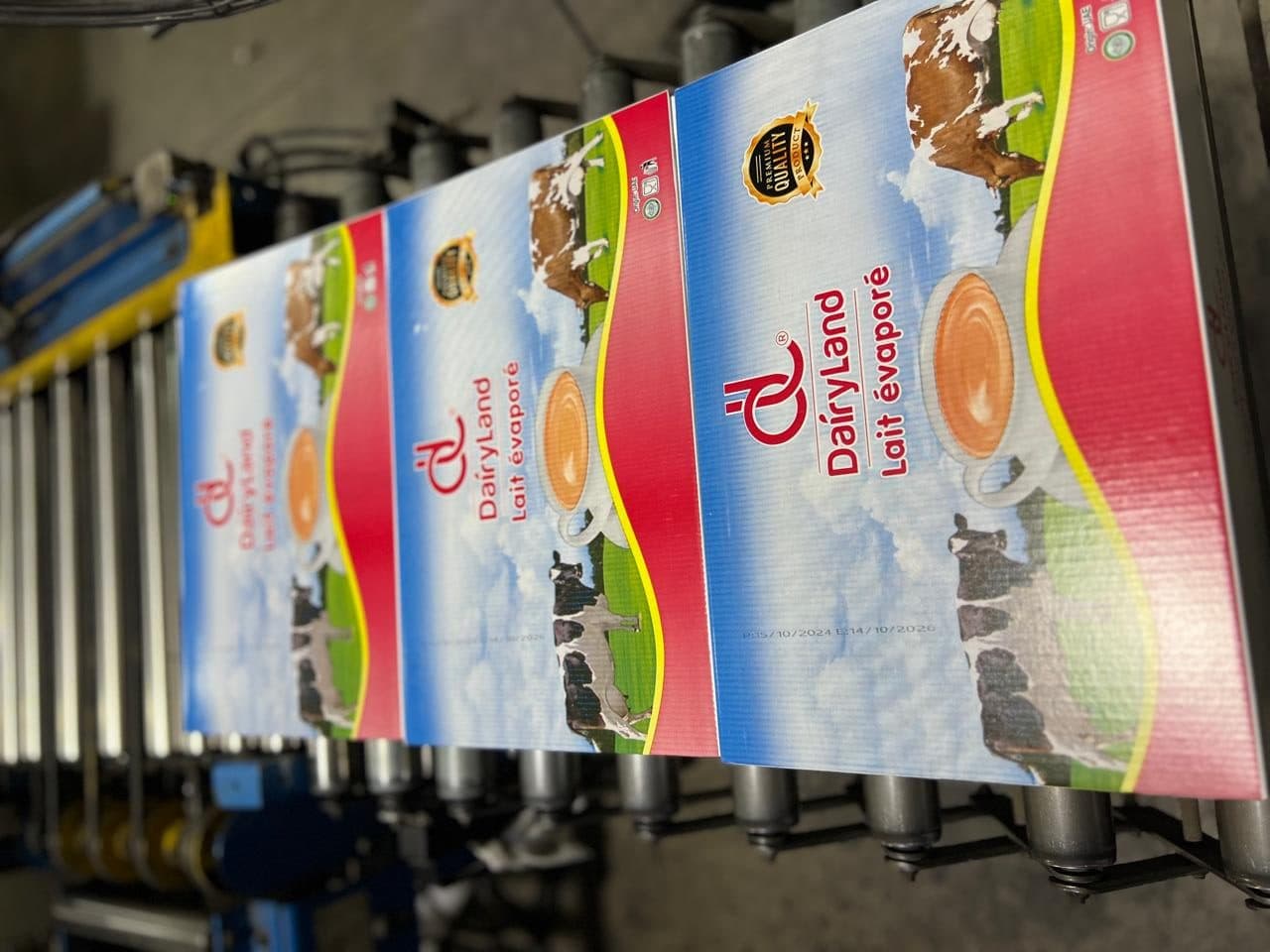
The assumption that the Red Sea disruption was a temporary emergency has been decisively overturned. As of November 2026, the rerouting of virtually all container traffic away from the Suez Canal — combined with fresh pressures around the Strait of Hormuz — has created a structurally tighter, more expensive freight environment that is now simply the baseline reality for food and dairy trade between the Gulf, Asia, and African markets.
For importers, distributors, and logistics planners across West and East Africa, understanding the mechanics of this shift is no longer optional. Freight costs are now a critical variable in landed-price calculations, supplier selection, and inventory strategy.
Two Choke-Points, One Compressed Market
The numbers tell a stark story. Suez Canal annual transits have fallen from approximately 26,400 ships at the 2023 pre-crisis peak to an estimated 11,000, with early 2026 showing a further 16.7% year-on-year decline against already-depressed 2025 levels. Almost all container traffic that once moved through the Red Sea now travels around the Cape of Good Hope, adding 3,500–4,000 nautical miles and 10–14 extra sailing days per voyage. Despite record new vessel deliveries in 2025–2026, the two-year rerouting has absorbed approximately 9% of global fleet capacity and tightened effective supply by around 19%, keeping freight rates structurally elevated.
Layered on top of this, the effective closure of the Strait of Hormuz introduced a second, compounding disruption. Carriers have responded by introducing Emergency Conflict Surcharges (ECS) — a new cost category that currently runs USD 2,000–4,000 per container on affected trade lanes, stacked on top of base rates and existing War Risk Surcharges. On India–Middle East routes, all-in container costs have more than doubled in some cases compared with pre-crisis levels. The Middle East import market itself contracted sharply when Hormuz tensions peaked in March 2026, with containerised imports collapsing 64% year-on-year before partially recovering as spot rates from China to Jeddah surged 85% between late February and late March alone.
What Food and Dairy Exporters Are Paying
The Cape route adds USD 800–1,500 per 40-foot container in base freight relative to the Suez path, and that is before surcharges. A study published in the Journal of Shipping and Trade in March 2026 found that Cape routing increases total logistics costs by 18–25% on Asia-Europe corridors, with cold-chain and perishable cargo sitting at the upper end of that range due to the extended transit time compressing product shelf life — an issue explicitly flagged by Australian dairy exporters, who reported freight cost increases of up to 50%.
For Dubai-origin shipments to Africa — the lane most directly relevant to Gulf-based food exporters — the cost escalation is severe. Dubai-to-East Africa sea freight is currently running at approximately USD 2,200–3,500 per container, compared with USD 1,200–1,800 before the crisis, representing an increase of around 80%. On the SCFI index for the week of 7 August 2026, West Africa was reading 4,023 USD/TEU and East Africa 3,408 USD/TEU. These headline index rates moved broadly flat week-on-week, but that stability is deceptive: Lagos port is experiencing 14–21 day anchorage delays, keeping all-in landed costs high regardless of what spot indices show. Food importers described Q3 2026 as "the most expensive booking window in recent memory," and there is no credible near-term catalyst for meaningful normalisation.
The Last-Mile Cost Squeeze in East and West Africa
Ocean freight is only part of the story. In the East African Community, road freight is currently costing approximately USD 1.80 per kilometre — nearly double the global average of USD 1.00 — with projections suggesting this could rise further toward USD 2.10/km as elevated fuel costs, which account for roughly 55% of road freight operating expenses, work their way through the chain. For food and dairy distributors serving inland markets in Kenya, Uganda, Tanzania, or beyond, this inland cost escalation compounds the ocean-freight burden significantly, squeezing margins at every link in the supply chain.
Planning in a Structurally Elevated Cost Environment
The critical insight for buyers and distributors is that this is no longer a crisis to be managed reactively — it is the new structural baseline. Gulf freight rates broadly remain 40–60% above pre-crisis levels on most GCC routes. Asia-Europe rates, which act as a benchmark for the wider market, sit 25–40% above pre-crisis norms despite significant new vessel capacity entering service.
For procurement teams, this means that forward contract negotiations, insurance cost modelling, and inventory planning should all be built around a sustained high-cost freight environment rather than any near-term reversion to 2022 or 2023 norms. Proximity to origin markets — such as UAE-based suppliers with established, direct export routes to African ports — becomes a meaningful competitive and cost advantage when each additional sea-mile carries a material price tag. Freight cost management, route intelligence, and supply chain resilience are now front-line commercial priorities for everyone moving food and dairy across these trade corridors.
Sources
- Red Sea Shipping 2026: How will the Suez Canal reopening affect your supply chain
- The Red Sea Crisis: Impacts on global shipping and the case ...
- Houthis Suez Canal Crisis
- Red Sea Crisis 2026: Food Export Route Disruption & Shipping Cost Impact
- Red Sea Crisis 2026: Why Freight Rates Hold — ShippingRates
- Red Sea Shipping Crisis 2026: Impact on Your Supply Chain
- Red Sea Crisis Update: Route Alternatives & Cost Impacts
- Shipping Cost Shock — Red Sea and Port Congestion 2026 - Markets NXT
This article is market commentary prepared by the Dairy Land Research Team for general information only and does not constitute commercial, financial or trading advice.