
The FAO Food Price Index averaged 136.0 points in September 2026 — up 1.5% month-on-month and roughly 2.5% above year-ago levels. While that figure remains nearly 20% below the crisis peak of March 2022, the direction of travel is clear: costs are rising, and the macro forces behind that trend show no sign of quick resolution. Climate shocks, geopolitical tensions and strained logistics are, in the words of FAO Chief Economist Maximo Torero, "converging to tighten supply expectations" across multiple commodity groups simultaneously. For importers, distributors and buyers operating across the UAE and West Africa, understanding where the pressure points lie is essential for procurement planning.
Vegetable Oils: A Four-Year High and Structural Shifts
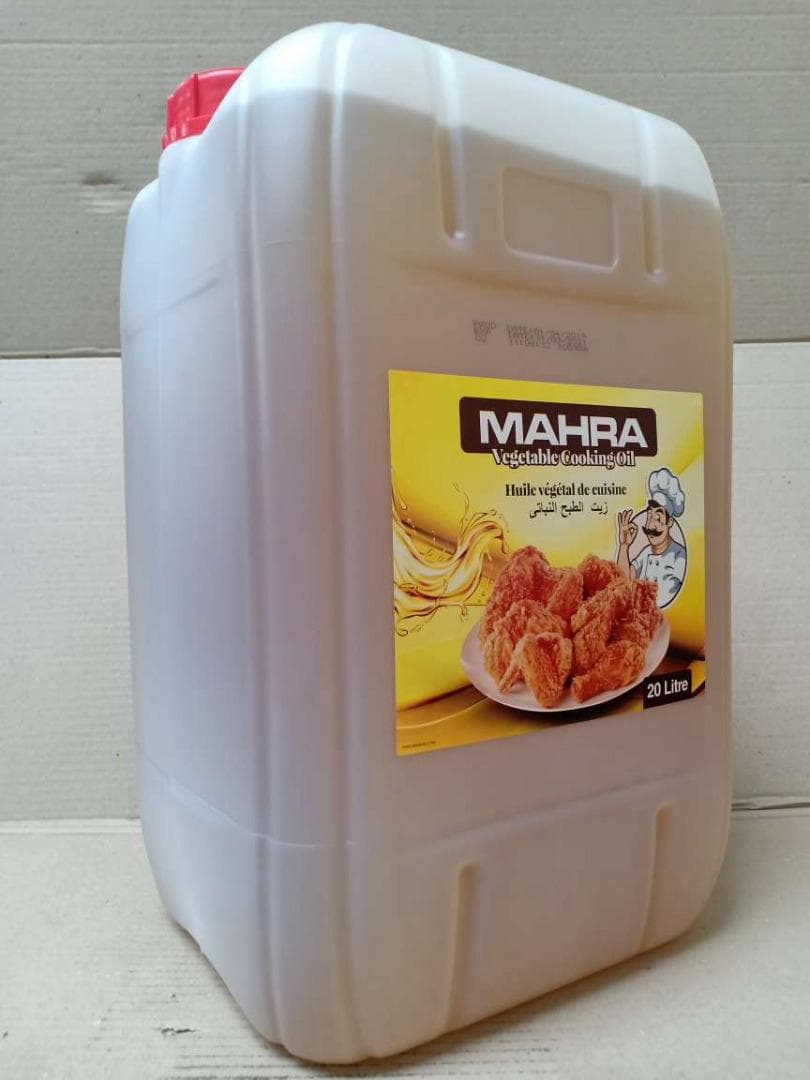
Cooking oil is arguably the most consequential segment to watch right now. The FAO Vegetable Oil Price Index hit 195.7 points in July 2026 — its highest reading since June 2022 — and edged higher again in August, driven by palm and soybean oil. Crude palm oil CIF Rotterdam stood at approximately $1,450 per metric tonne and rising, while the Malaysia FOB price was around $1,149/mt. The widening gap between origin and destination prices reflects high freight and insurance costs as much as underlying supply fundamentals.
The structural backdrop is tightening further. Indonesia's B50 biodiesel mandate is absorbing a greater share of domestic palm oil production, and exportable palm oil shipments are now forecast at 23.1 million tonnes for 2026/27 — well below an earlier USDA estimate of 25 million tonnes. El Niño-related concerns over Southeast Asian yields are adding a risk premium. Sunflower oil is similarly firm, trading at $1,485–1,489/mt on tight supply and crude oil price support, though a 15% rise in global sunflower oil exports is forecast for 2026/27 as larger Ukrainian and Russian crops come through. The paradox for buyers is that greater future supply does not yet translate into relief today.
Cereals: Sharp Year-on-Year Increases, With Some Recent Softening
The cereal price index reached 122.8 points in September 2026 — its highest since December 2023 — before pulling back around 6% by October. That pullback is worth noting, but it does not erase a significant year-on-year gap: maize, wheat and rice prices were 15%, 17% and 29% higher respectively compared with a year earlier. Rice in particular has stayed elevated, rising a further 2% even after October's broader cereal correction.
For West African markets, where populations are heavily dependent on imported staple grains, these price levels matter enormously. When the cost of rice and wheat climbs sharply, households and institutional buyers alike seek affordable, calorie-dense alternatives. This dynamic tends to support demand for products such as evaporated milk, condensed milk and canned goods — categories where value and shelf-stability are deciding factors.
Milk Powder: A Recovering Market With Mixed Signals
The dairy segment presents a more nuanced picture. The FAO dairy price index was still 18.7% lower year-on-year as of March 2026, reflecting the soft base established during the post-pandemic commodity correction. However, wholesale prices have stabilised: Dutch skimmed milk powder (SMP) traded at €332 per 100kg in September 2026, with whole milk powder (WMP) at €387 per 100kg, both broadly flat month-on-month. New Zealand remains the dominant WMP exporter by value, followed by the Netherlands and Argentina.
A data point directly relevant to UAE sourcing: an April 2026 trade transaction recorded India exporting SMP to the UAE at $3.642/kg — a reminder that competitive origin pricing from non-traditional suppliers is a live option. Russia's agricultural export push is also worth monitoring; Russian food exports to North African markets surged sharply in early 2026, led by soybean oil and wheat, with SMP volumes also present. This competitive pressure on key routes into the African continent will not dissipate quickly.
Key Takeaway for Buyers and Distributors
The overarching theme across grains, oils and dairy is that macro headwinds — Middle East energy price pressures, Black Sea trade disruption and high freight costs — are keeping commodity prices structurally elevated even where supply fundamentals might otherwise argue for relief. For procurement teams sourcing into the UAE or distributing across West Africa, the priority should be locking in forward visibility where possible, monitoring origin-price divergences in vegetable oils closely, and recognising that rising staple grain costs in West Africa may organically lift demand for affordable processed food categories. Agility in sourcing origins, combined with a clear read on where structural tightness is durable versus where correction is plausible, will define competitive advantage in this environment.
Sources
- FAO Food Price Index edges down amid diverging commodity price movements
- Worldbank
- 1471. Global Food Price Trends, March 2026
- Supply concerns drive FAO Food Price Index higher in August
- FAO Food Price Index edges down in October amid subdued demand
- FAO Food Price Index edges up in September on higher sugar, cereal and vegetable oil prices
- FAO Food Price Index Drops 1.2% in October 2026
- World Food Prices Fall but Sugar Surges in October 2026
This article is market commentary prepared by the Dairy Land Research Team for general information only and does not constitute commercial, financial or trading advice.